News / Features / New Shows + Transfers / Lyn Gardner
Inter Alia Arrives in the West End — But Where Are the Other Female Playwrights?
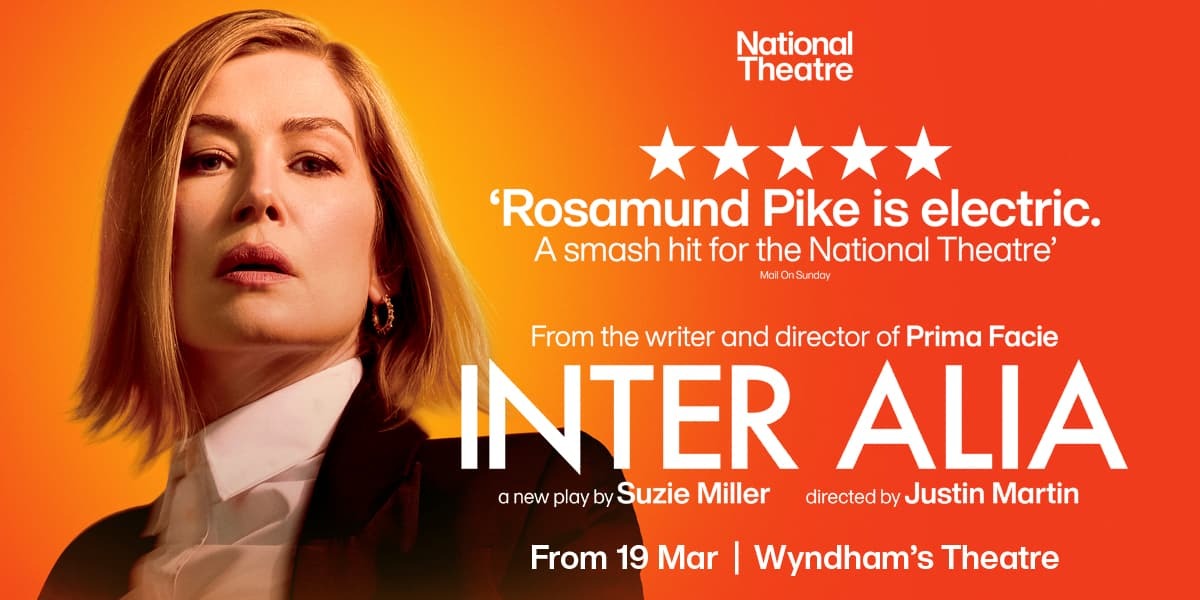
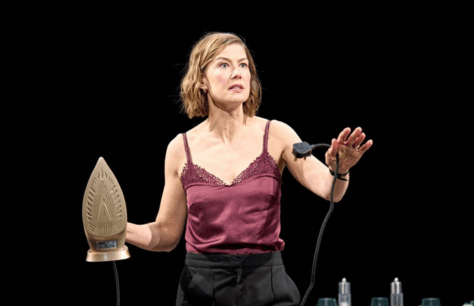
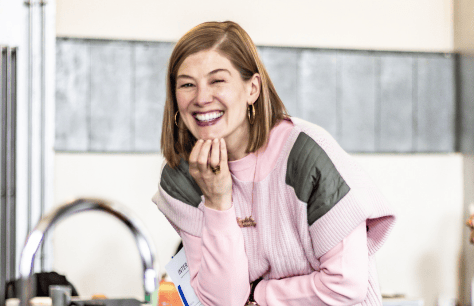
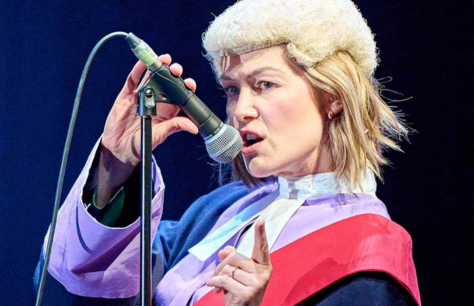
When Suzie Miller’s Inter Alia arrives in the West End at Wyndham's Theatre this week, it will, at a stroke, double the number of plays written by women in the West End. The Mousetrap by Agatha Christie (whose Witness for the Prosecution also continues to thrive over the river at County Hall) will no longer be the only play written by a woman in the West End, although a trio of thumpingly successful musicals do boast female writers: Hadestown by Anais Mitchell, Six, which is co-written by Lucy Moss, and Operation Mincemeat, co-written by Natasha Hodgson and Zoe Roberts. Female directors and other creatives, particularly designers of all kinds, are no longer in short supply in the West End, and there are plenty of female theatre producers (Sonia Friedman, Nica Burns, Eleanor Lloyd and Ellie Keel, to name just a few), but women writers are still the exception rather than the rule. For decades there have been great swathes of time when Christie has been the only female writer represented in the West End. It appears we have forgotten that gender equality needs to be as much a part of theatre’s ongoing conversations around diversity as skin colour, disability and socio-economic factors, all of which can be a bar to access. How is it possible in the 21st century, when women have cracked so many of the top jobs in politics, medicine, law, journalism and other professions, that they are still so ill-represented in the West End? Particularly when women purchase more theatre tickets than men. Could it be that women are just less good at writing plays? Or are other factors at play? Why do plays by men enter the canon so much more readily than those by women? Could lack of opportunity (plays written by women are seen as a harder sell, so they never make it through the hoops required for a play to make it to the West End) be preventing women from achieving equality in the commercial theatre sector? Is it that their plays are judged on different criteria or that when women playwrights write about female experience, that experience is perceived as narrow or dismissed as being somehow smaller because it often encompasses the domestic? It puts me in mind of a quote from director Marianne Elliott, who was once told by a top theatre executive, "Oh Marianne, you just like stories about women having a hard time.” Elliott recalls laughing with everyone in the room at the time but says that afterwards she thought, "Isn't that what Hamlet is about? A man is having a hard time, isn’t he? So, what’s your problem with that?" It’s a point magnified recently by Kristin Scott Thomas talking in The Stage about her experience of being in Penelope Skinner’s Lyonesse in the West End back in 2023. "The play was mostly hated by the critics. So why did people flock to the Pinter to catch it before we all vanished? A clue might be that many of the reviews were written by men who really didn’t understand what it is to be a working mother or a child-free actress."
19 Mar, 2026 | By Lyn Gardner